








Service
Partnering with SinoForming affords you the security of a trusted partner to supply your company with the highest quality precision engineered components for the life cycle of your products.


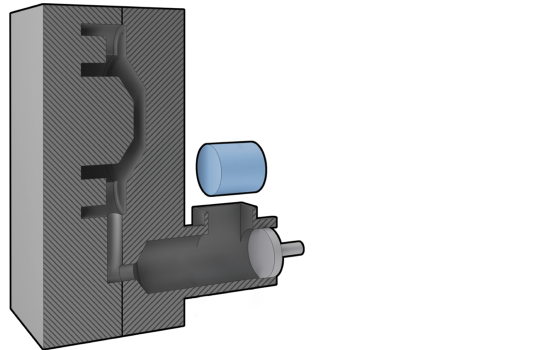
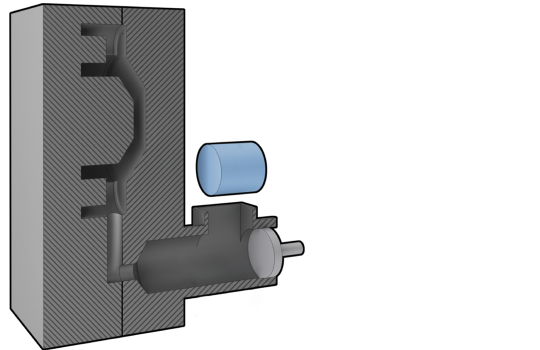

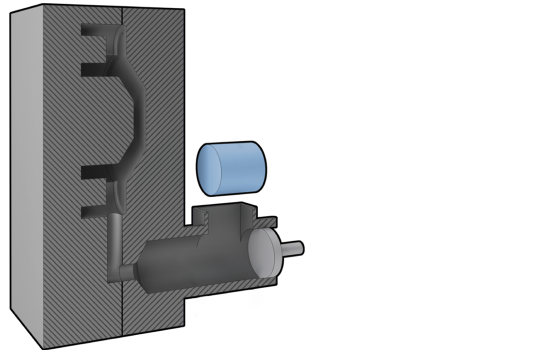
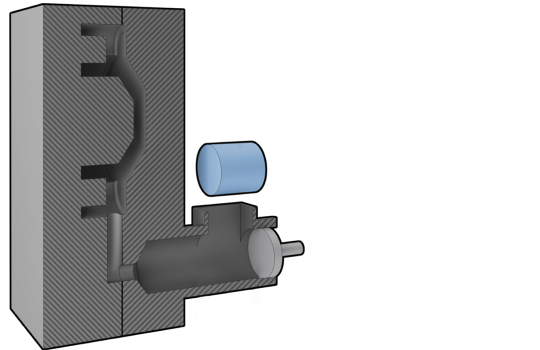
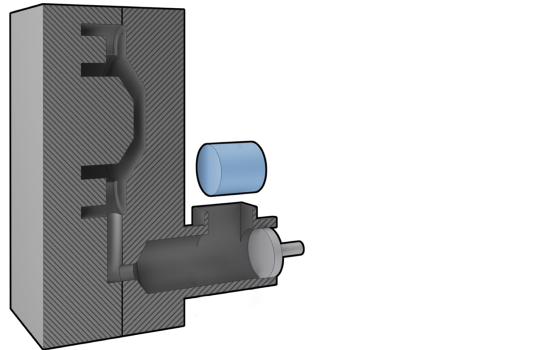
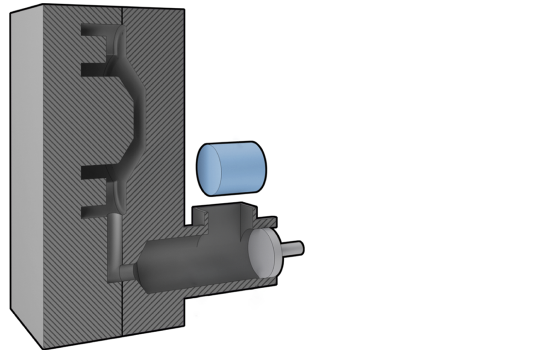
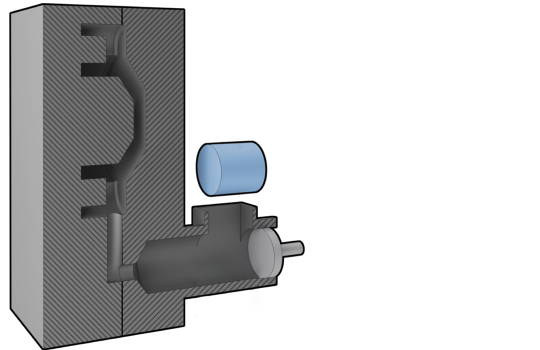

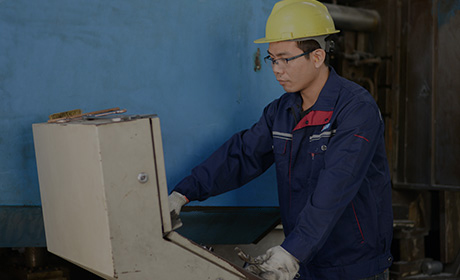
Die casting is a metal forming process in which zinc, aluminum, magnesium, and their alloys are forced into a steel mold under high pressure into a mold cavity.
Learn More
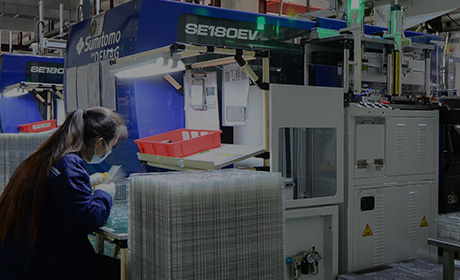
A soft-to-the-touch overmolded urethane exterior can add impressive user benefits to a die cast housing: enhanced grip and feel, added case damage protection, water resistance, and, in the case of electronic enclosures, even added heat dissipation. A die
Learn More
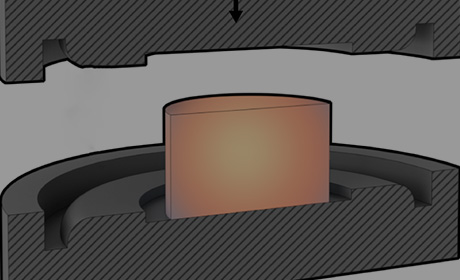
Semi-solid metal casting (SSM) is a near net shape variant of die casting. The process is used today with non-ferrous metals, such as aluminum, copper, and magnesium, but also can work with higher temperature alloys for which no currently suitable die mat
Learn More

Our in-house machining is commonly used as a “secondary process”, where minimal material is removed and the cycle time is short. This is due to the high tolerance and surface finishes that machining offers. It is often used to add or refine precision feat
Learn More
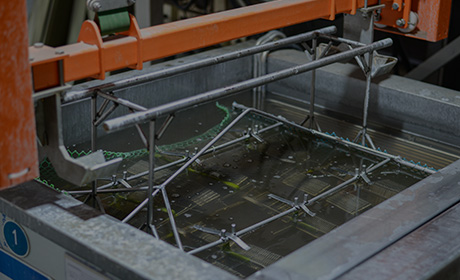
The surface finish can offer durability, protection, as well as a decorative appearance to a die cast component. Since surface finishing choices range from the performance to appearance, it is always better to communicate your application requirements wit
Learn More

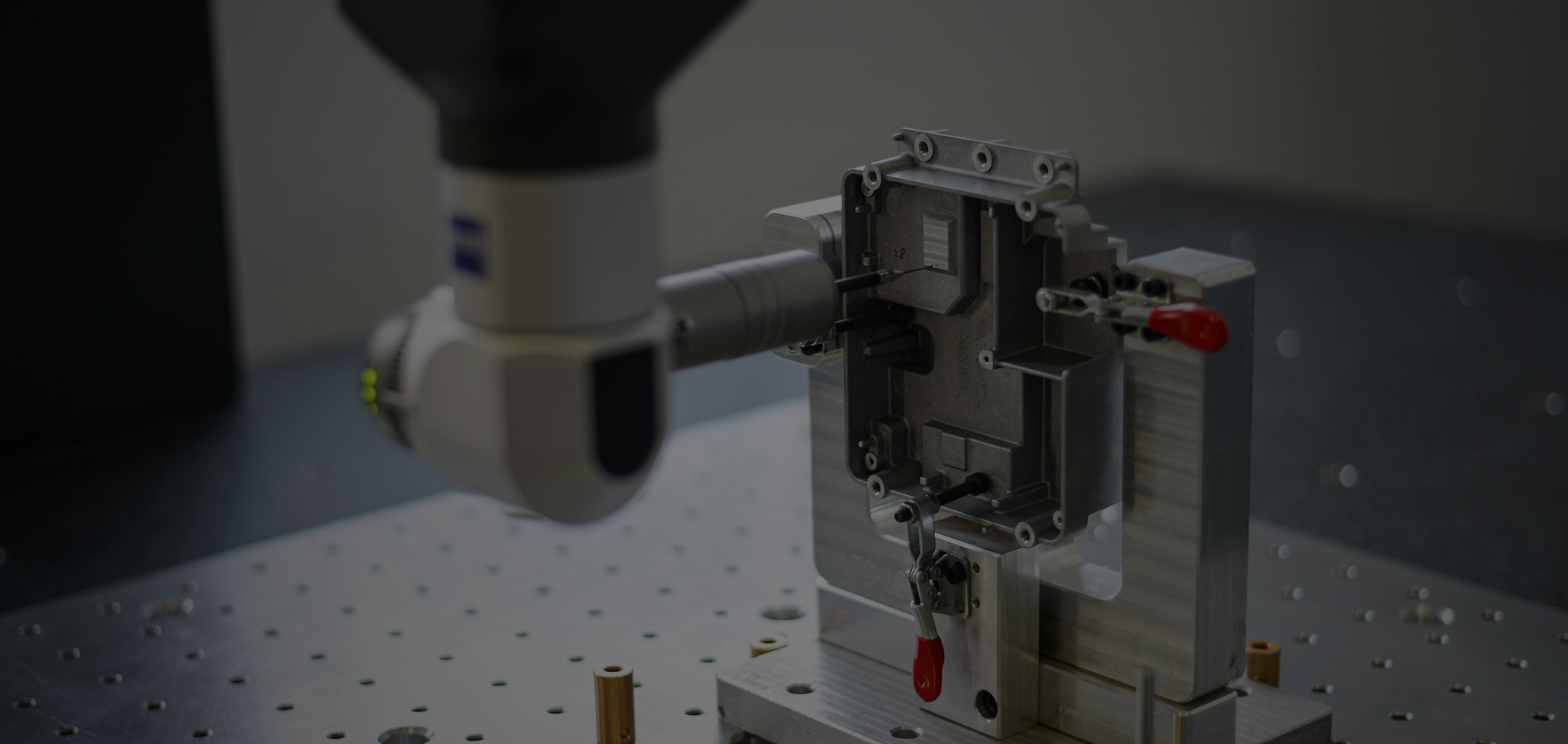
True success in producing a quality casting part depends on control of the entire casting operation and secondary processes. Quality is the responsibility of the die casting facility, starting with the raw materials that are used, but the customer and sup
Learn More


